
Transhumance
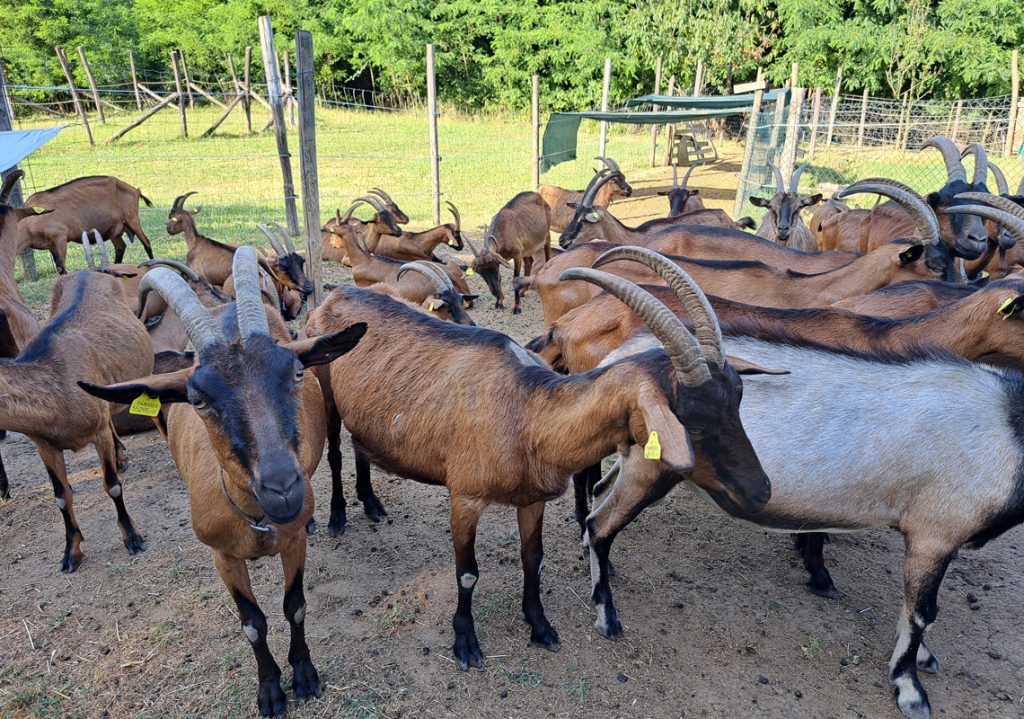
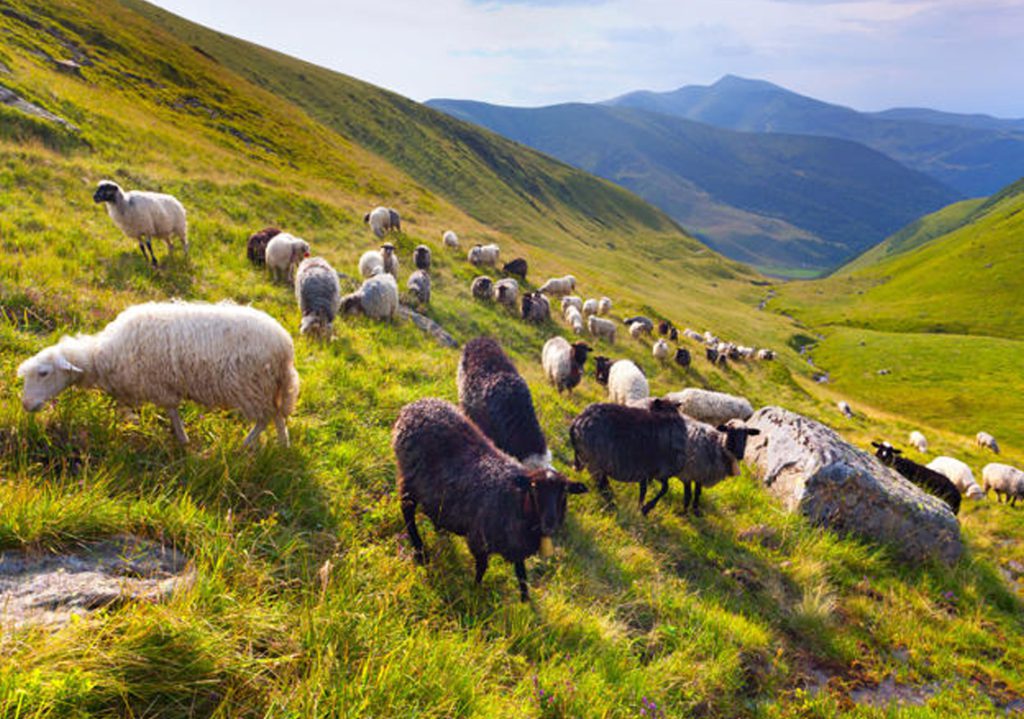
Transhumance (or transumanza, in Italian) is the seasonal movement of livestock between upland summer pastures and lower winter grazing grounds, a practice that has been an essential part of Tuscan pastoral life since prehistoric times.
In Tuscany, this cycle traditionally spanned the Apennines and Maremma, with shepherds moving herds to keep animals grazing on fresh pastures and sustaining rural economies. The Apennine slopes (e.g., Montagna Pistoiese, Pratomagno) provided lush, cool summer pastures. And in the winter, herds descend to milder plains like Maremma and Grosseto, following historic paths known as Vie Maremmane or Vie di Dogana.
Tranhuamnce that shaped both landscape and culture. It nurtured biodiversity, fostered rural settlement exchanges, and cultivated seasonal pasture management. The transhumance routes—some still visible today—were lifelines connecting mountains and coast, supporting wool, cheese, and meat production in both upland and lowland communities.
At The Locals’ Table, we share the renewed interest in recent years in the ancient transhumance practice, and we are excited to explore the modern ways in which we can still offer meaningful connections between shepherds, animals, visitors and the landscape.
If you’d like to experience these traditions yourself, follow our calendar of events to learn more about our initiatives. We organize hikes along the ancient transhumance roads, as well as cooking classes and guided tastings that feature products made by farmers who still practice transhumance today.
Would you like to stay in touch? Sign up to our newsletter to be the first to know about upcoming events.