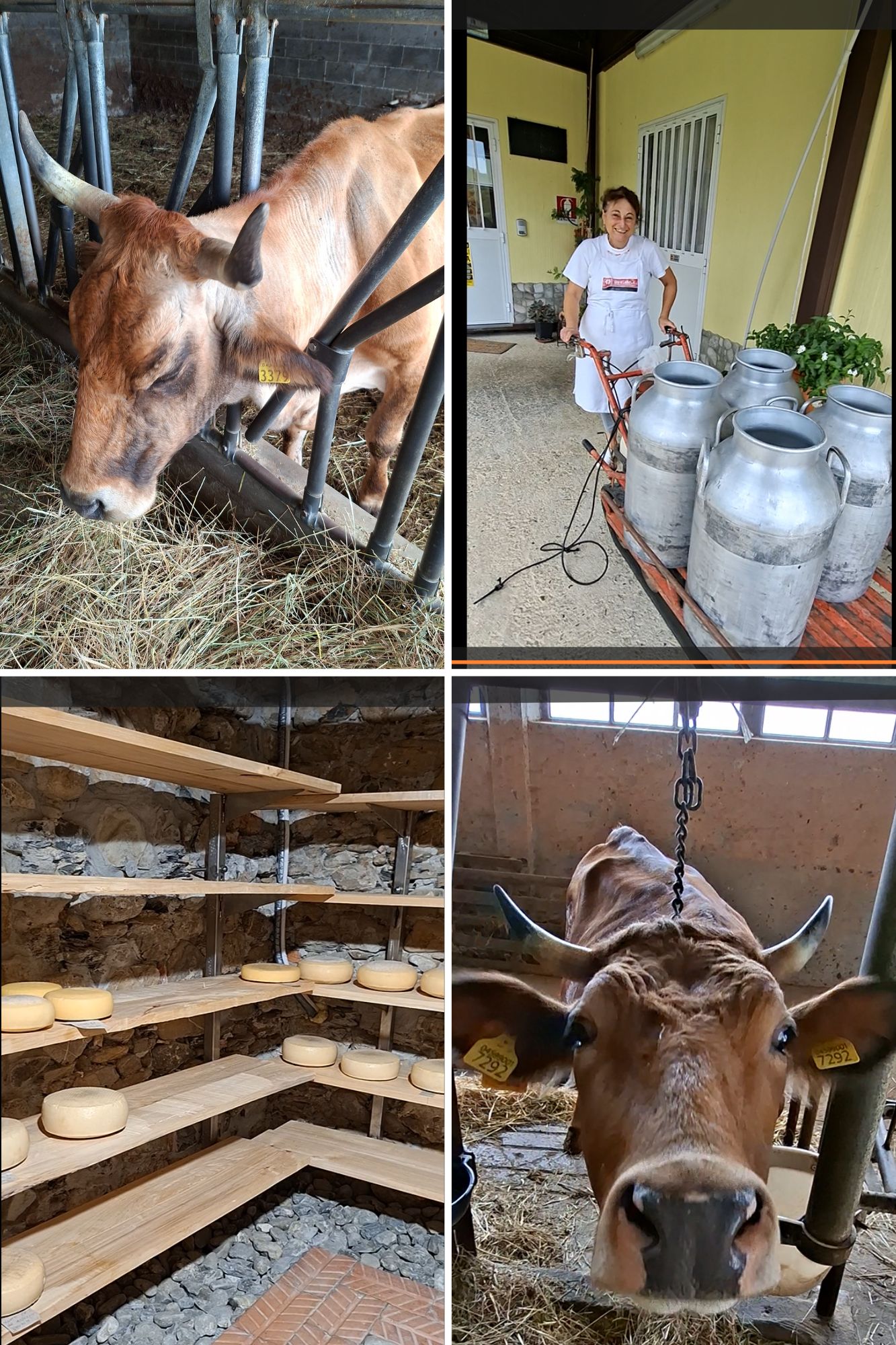
Have You Ever Heard About the Pontremolese Cow?
Meet the Pontremolese Cow, An Ancient Breed From Northern Tuscany
The Pontremolese is an ancient, local cattle breed from the Lunigiana area of northern Tuscany, historically spread across the Apennines and the Magra–Vara valleys (today in Massa-Carrara and La Spezia). In nearby Piacenza/Oltrepò it was also known as Bettolese. Animals are horned with a golden-red coat, slate-grey skin and characteristic dark shading around the eyes; bulls are deeper red with a light dorsal stripe. Traditionally used in mixed mountain farming—and even as draught power for moving Carrara marble—the breed today is kept mainly for beef. It is officially recognized among Italy’s “minor breeds of limited diffusion” and protected by the Ministry of Agriculture.
Like many autochthonous Tuscan breeds, the Pontremolese suffered a severe decline due to crossbreeding and replacement by higher-yield commercial types. Numbers hit an historic low around 2008, then climbed modestly to a few dozen to ~70–100 animals in recent years; conservation status remains critical. The breed is listed in the AIA register of at-risk native breeds and benefits from regional safeguard projects (Tuscany/Emilia-Romagna). Local reintroduction efforts in Lunigiana and Slow Food’s Ark of Taste nomination underline its cultural value.
From a husbandry perspective, Pontremolese cattle are rustic and well adapted to marginal Apennine environments. They utilize rough pastures, and show good maternal traits. Beyond beef, niche dairy use exists locally (single-breed cheeses). Genetic surveys place Pontremolese alongside other Tuscan natives (Calvana, Garfagnina) and highlight the need to maintain diversity within small founder populations—an argument for targeted breeding plans and producer networks that valorize certified, place-based products.
You May Also Be Interested In…
Recent Posts
-

Perché scegliere i piccoli produttori?
Raffaella De Angelis Sostenere una piccola cantina t...
September 09, 2025 -
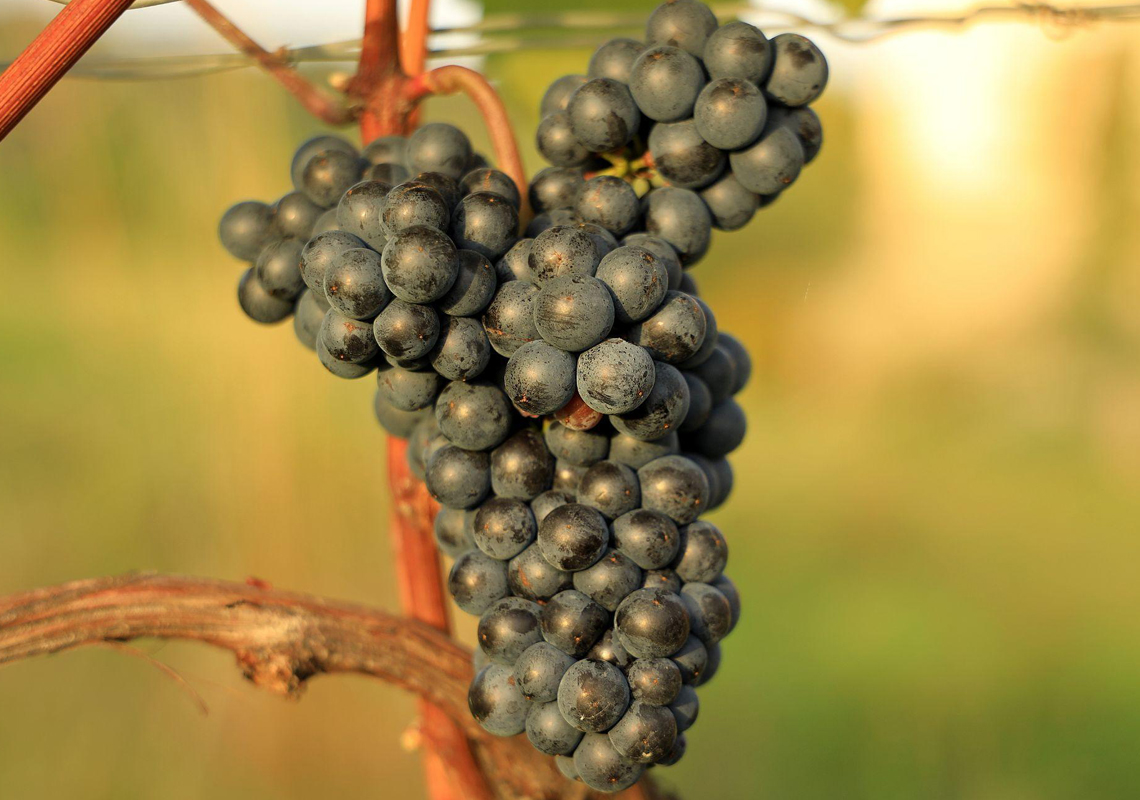
La Toscana dei vitigni autoctoni: un patrimonio da scoprire
By: Raffaella De Angelis Esiste un modo più profond...
September 08, 2025 -
Have You Ever Heard About the Pontremolese Cow?
Meet the Pontremolese Cow, An Ancient Breed From Nor...
September 08, 2025 -
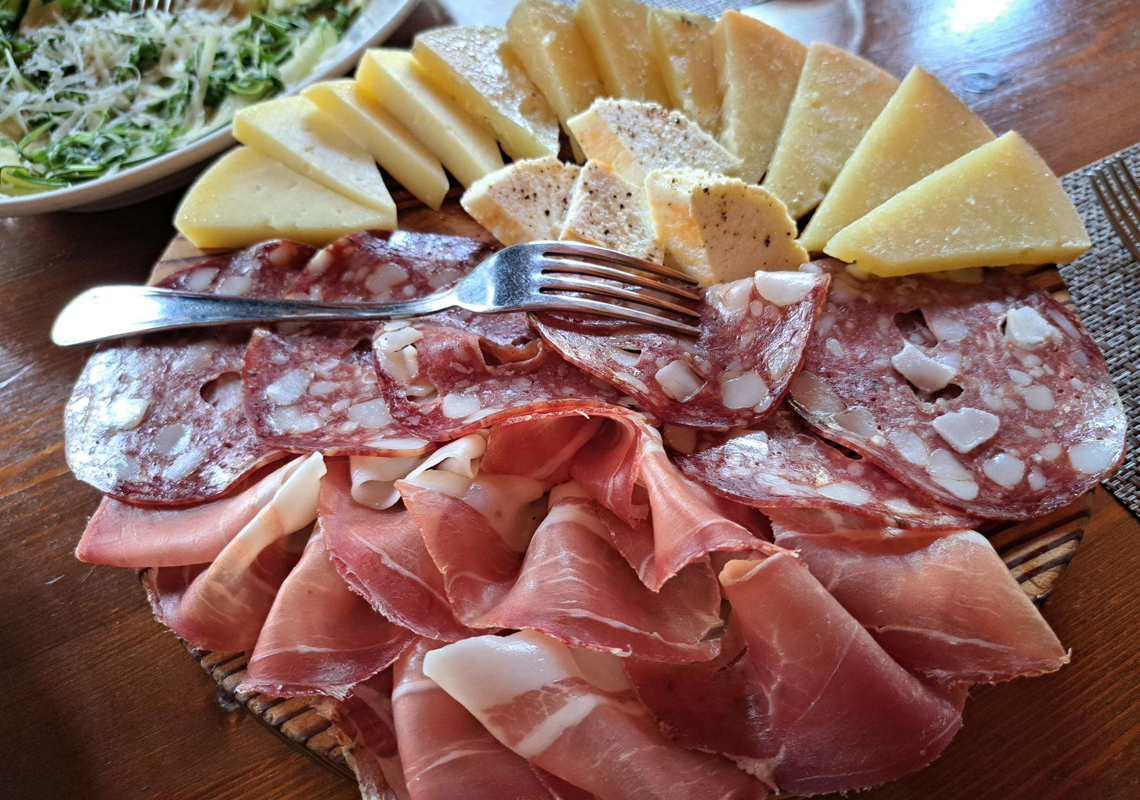
Tuscany’s Pride: Spotlight on Regional Agri-Products
Tuscany isn’t just about rolling hills and Ren...
July 18, 2025