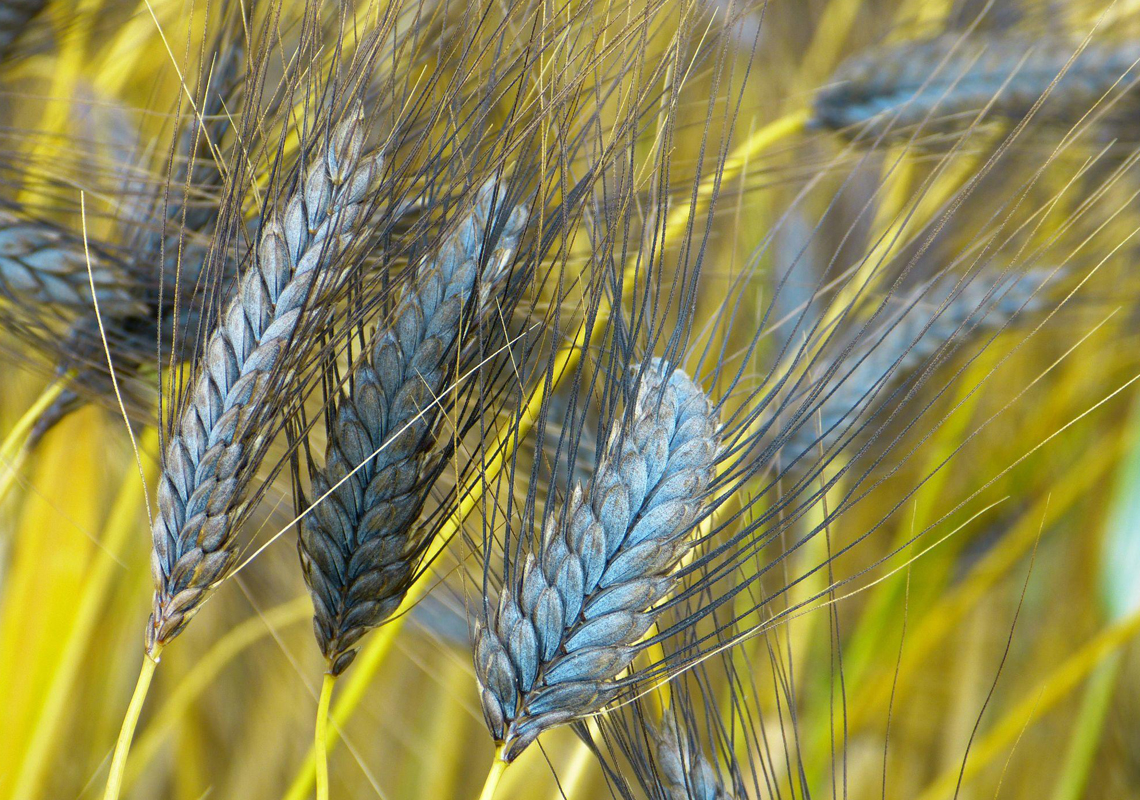
Cooking with Tuscan Legumes & Ancient Grains
Tuscany’s culinary tradition is rooted in simple, wholesome ingredients – legumes and ancient grains that have sustained rural communities for centuries. In this post, we explore how Tuscan legume recipes, traditional Italian bean dishes, and hearty grains like farro della Garfagnana IGP can bring history, nutrition, and flavor to your table.
The Heart of Tuscany
A pillar of traditional rural recipes in Italy, Tuscan cuisine features beans in soups, stews, and pasta dishes. One classic example is Fagioli all’uccelletto, a simple bean stew made with cannellini beans, garlic, sage, tomato, and olive oil.
Another staple is ribollita, a bread and bean soup with kale and vegetables. Both of these nutritious Tuscan soups with legumes highlight how wholesome ingredients and intentional cooking create deeply flavorful, healthy Tuscan food.
Spelt from the Mountains: Farro della Garfagnana IGP
The farro della Garfagnana IGP is an ancient grain (emmer spelt) grown on terraced slopes in northern Tuscany, that enjoys protected origin status. Nutrient-dense and rich in minerals like iron, magnesium, B-vitamins, and fiber, it’s celebrated as a healthy Tuscan food that bridges tradition and sustainability. Commonly used in hearty soups, salads, and breads, farro brings nutty aroma and chewy texture to dishes like legume and farro soup.

Why Heritage Grains and Legumes Matter Today
- They represent sustainable proteins and nutrient-rich plants adapted to local ecosystems.
- They safeguard endangered Italian crops and promote biodiversity in Tuscan agriculture.
- Including them in modern diets aligns with conscious eating and respect for culinary heritage—what many describe as ancient grains Italy at their finest.

Bringing Tradition to Your Table
Rediscovering traditional Italian bean dishes and Tuscan legume recipes can be a fantastic way to enrich your repertoire and add nutritional value and cultural connection to your weekday dinner. Join one of our events to learn more about these agrifoods – check the calendar to learn more!

Recent Posts
-

Perché scegliere i piccoli produttori?
Raffaella De Angelis Sostenere una piccola cantina t...
September 09, 2025 -
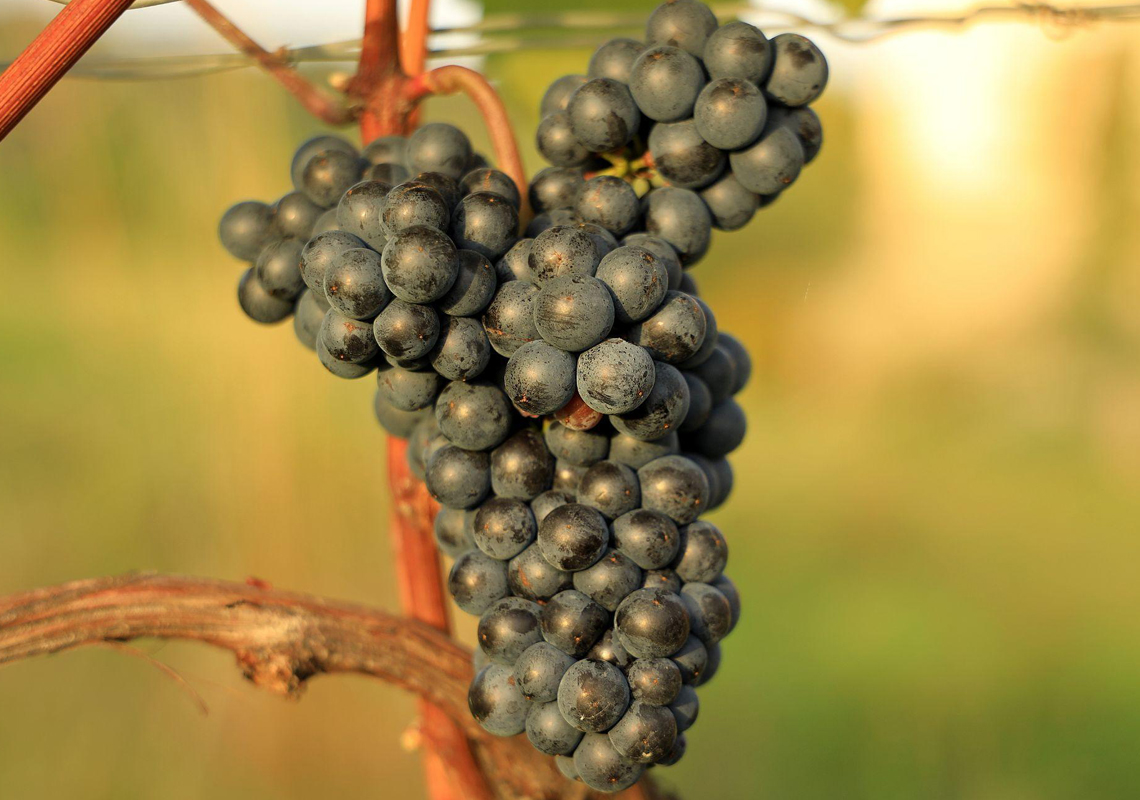
La Toscana dei vitigni autoctoni: un patrimonio da scoprire
By: Raffaella De Angelis Esiste un modo più profond...
September 08, 2025 -
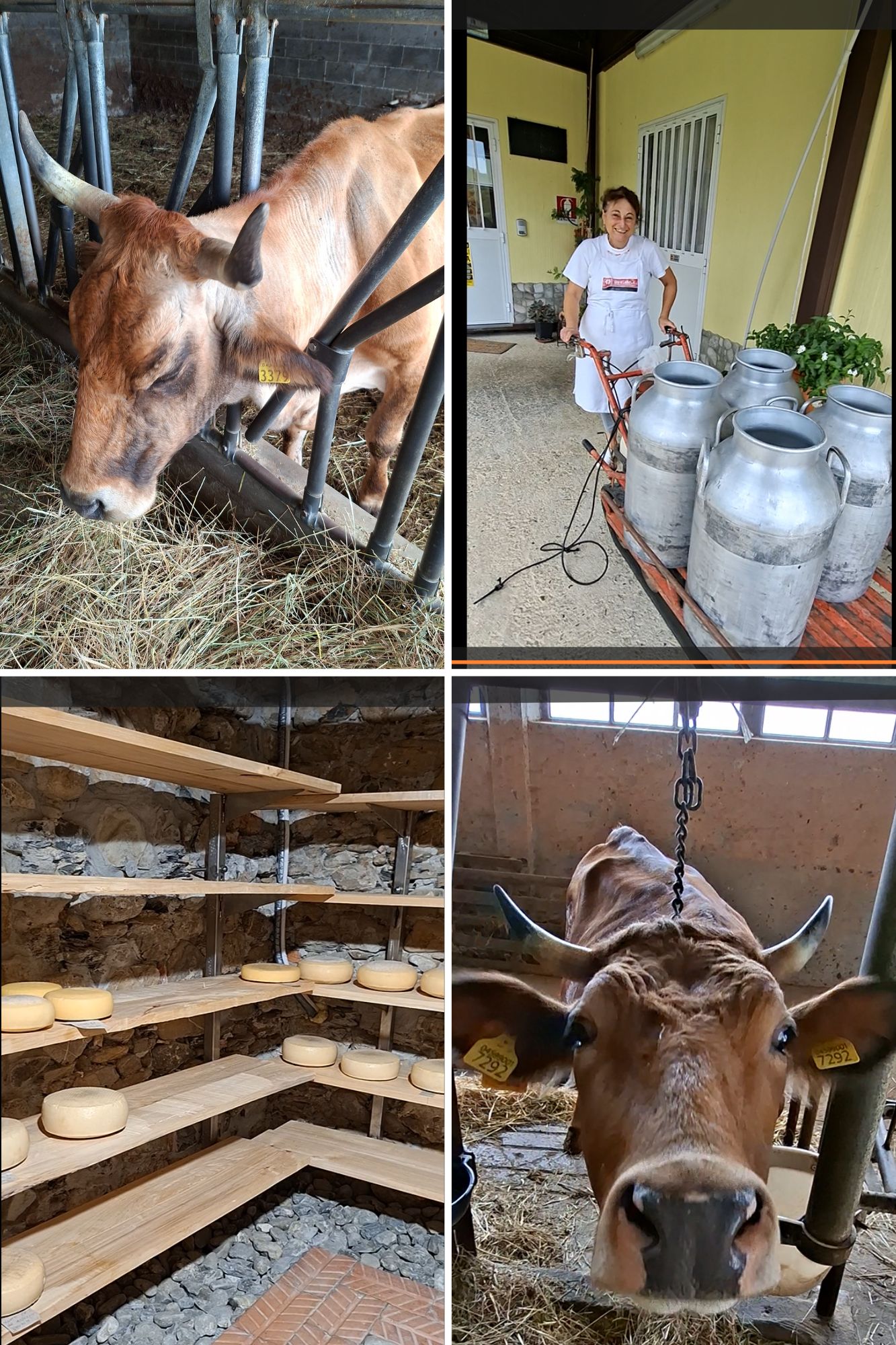
Have You Ever Heard About the Pontremolese Cow?
Meet the Pontremolese Cow, An Ancient Breed From Nor...
September 08, 2025 -
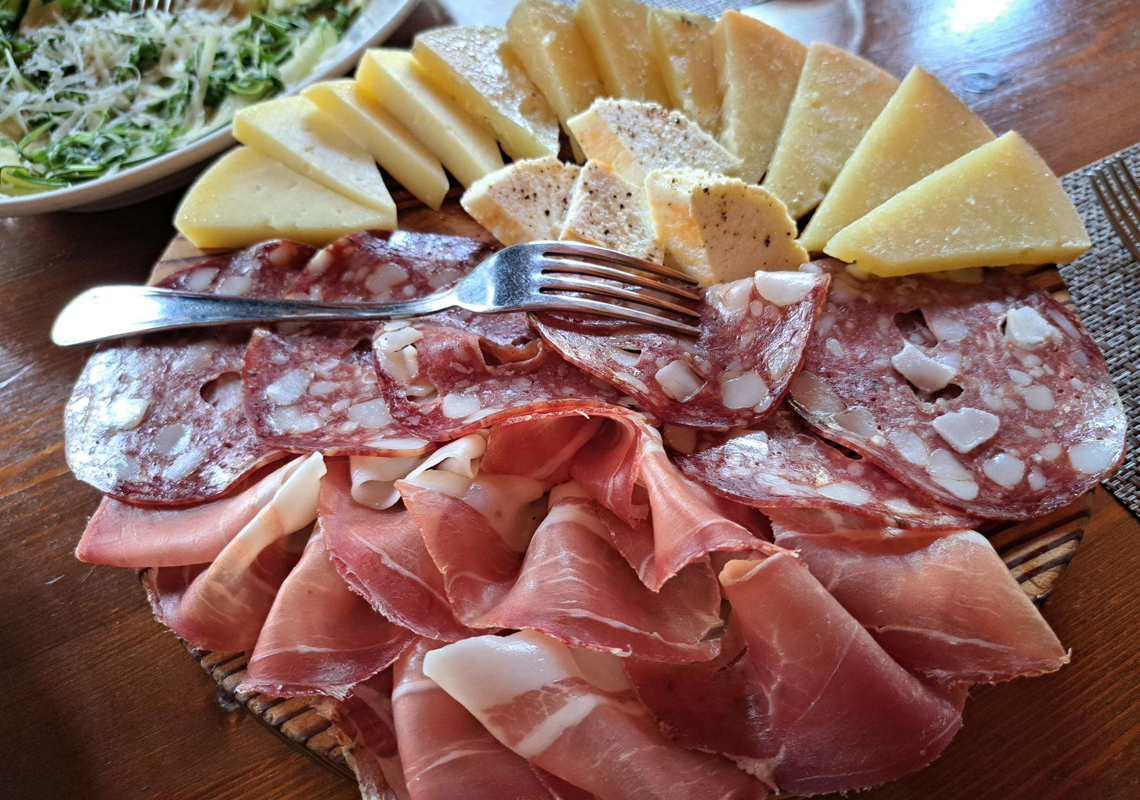
Tuscany’s Pride: Spotlight on Regional Agri-Products
Tuscany isn’t just about rolling hills and Ren...
July 18, 2025