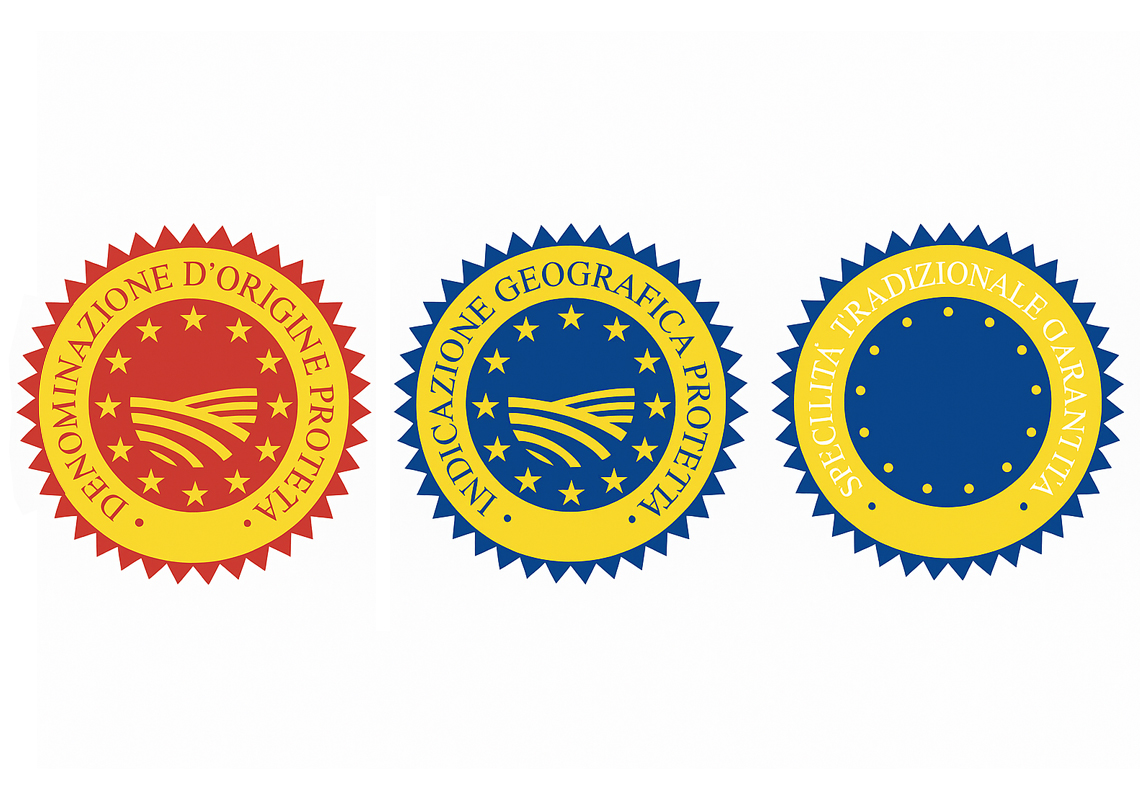
What Makes a Food DOP or IGP? Understanding Italy’s Quality Labels
Italy’s gastronomic reputation rests on rigorous certification systems that protect regional specialties: DOP (Denominazione d’Origine Protetta) and IGP (Indicazione Geografica Protetta). These labels ensure product authenticity, traceability, and cultural heritage. Let’s explore what DOP means in Italian food, examine the IGP vs DOP difference, and understand their role in food quality.
What is “Protected Designation of Origin” (DOP)?
DOP, or Protected Designation of Origin, guarantees that all stages of production—growing, processing, and preparation—occur within a defined geographic area, following strict traditional methods. According to EU regulations, the product’s unique characteristics must stem directly from its origin and are connected to the area of production.
In Tuscany alone, there are 32 official PDO and PGI products, including famous items like Pecorino Toscano DOP, Chianti Classico olive oil DOP, Castagna del Monte Amiata IGP, Lardo di Colonnata IGP, and many others. These certifications serve as seals of quality, making it easier for consumers to identify local and certified Italian products.
What is IGP and How Is It Different from DOP?
IGP, or Protected Geographical Indication, indicates that at least one production stage—growing, processing, or preparation—takes place in the named region, and that the product’s characteristics are attributable to its geographic origin.
Simply put, DOP has stricter rules: everything must come from and be done in that specific area, while IGP allows more flexibility. Both products, however, will be checked and tested by a consortium that guarantees they adhere to the production requirements.
What’s STG?
STG (Traditional Specialty Guaranteed): highlights traditional methods rather than origin specifics. For example: Mozzarella is an STG product. It can be made anywhere, as long as you follow the strict and precise production process that defines “a real mozzarella”.
Why It Matters
Understanding what DOP means in Italian food and the IGP vs DOP difference supports high standards, biodiversity, and small-scale producers. It also empowers consumers to choose authenticity and terroir-based products – whether sampling certified Tuscan olive oil IGP, sampling authentic Italian cheese DOP, or buying from a trusted Tuscany DOP products list.
Final Thoughts
Italian DOP and IGP labels are more than just regulatory flags—they reflect tradition, quality, and origin. With this knowledge— how to identify DOP Italian products, grasp Italian food quality labels explained, and appreciate the certified Tuscan olive oil IGP—you become a more informed food explorer and supporter of sustainable, heritage-driven food culture.

Recent Posts
-

Perché scegliere i piccoli produttori?
Raffaella De Angelis Sostenere una piccola cantina t...
September 09, 2025 -
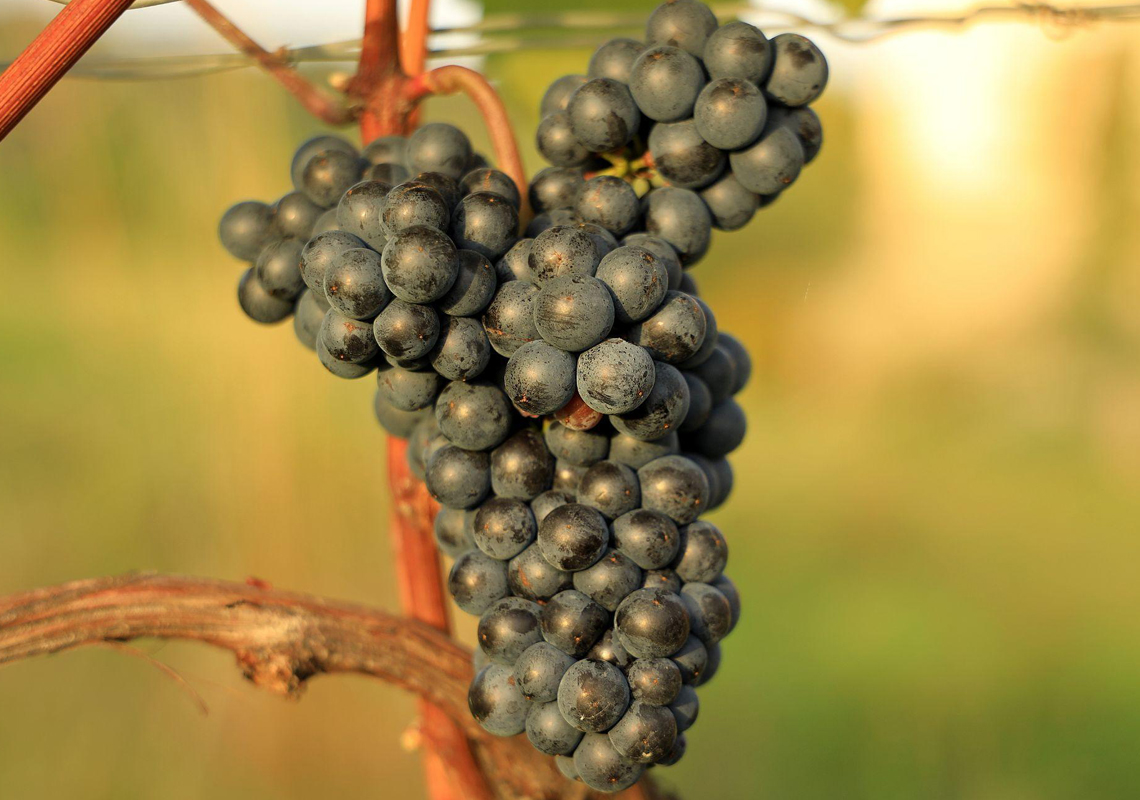
La Toscana dei vitigni autoctoni: un patrimonio da scoprire
By: Raffaella De Angelis Esiste un modo più profond...
September 08, 2025 -
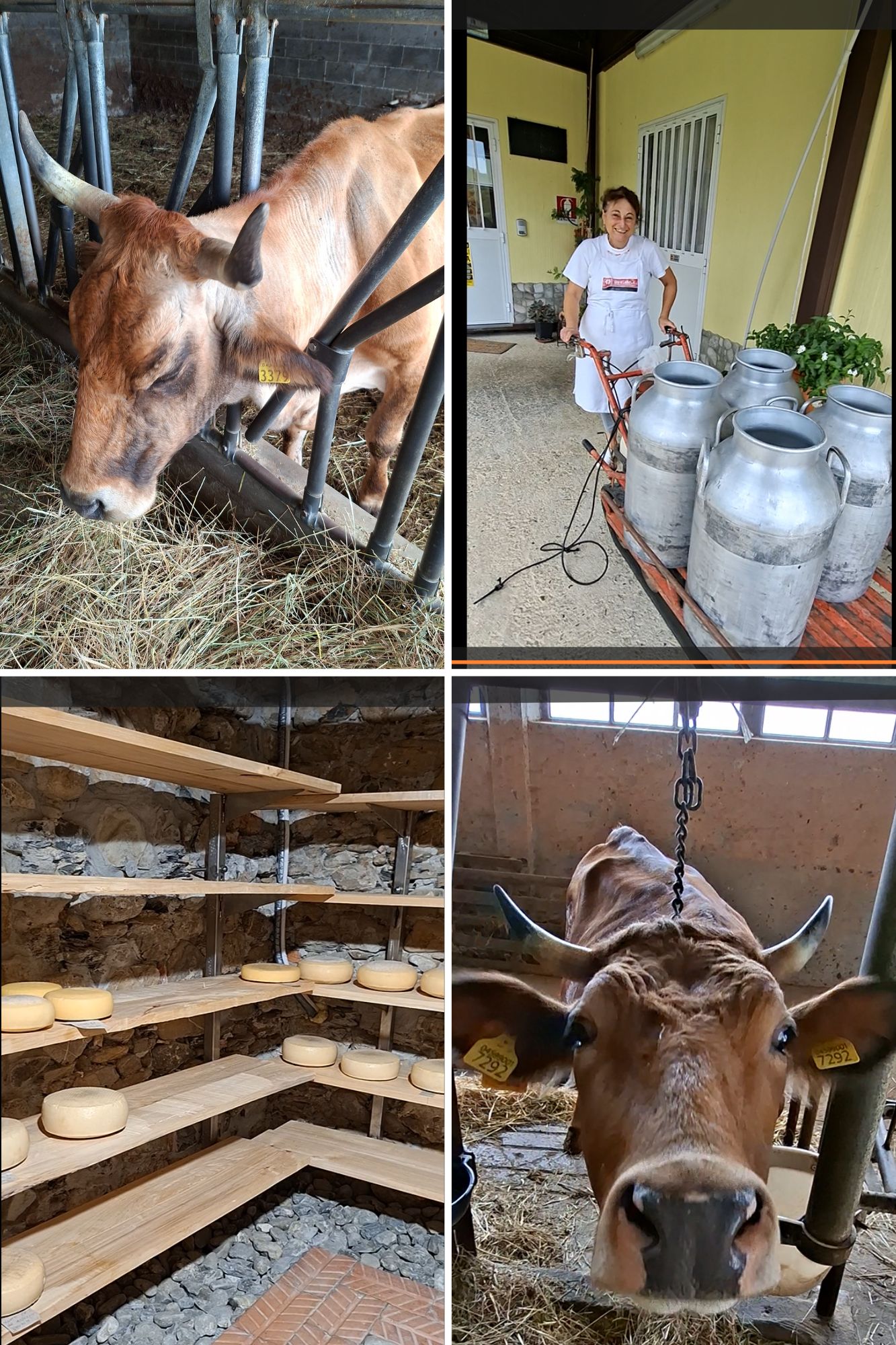
Have You Ever Heard About the Pontremolese Cow?
Meet the Pontremolese Cow, An Ancient Breed From Nor...
September 08, 2025 -
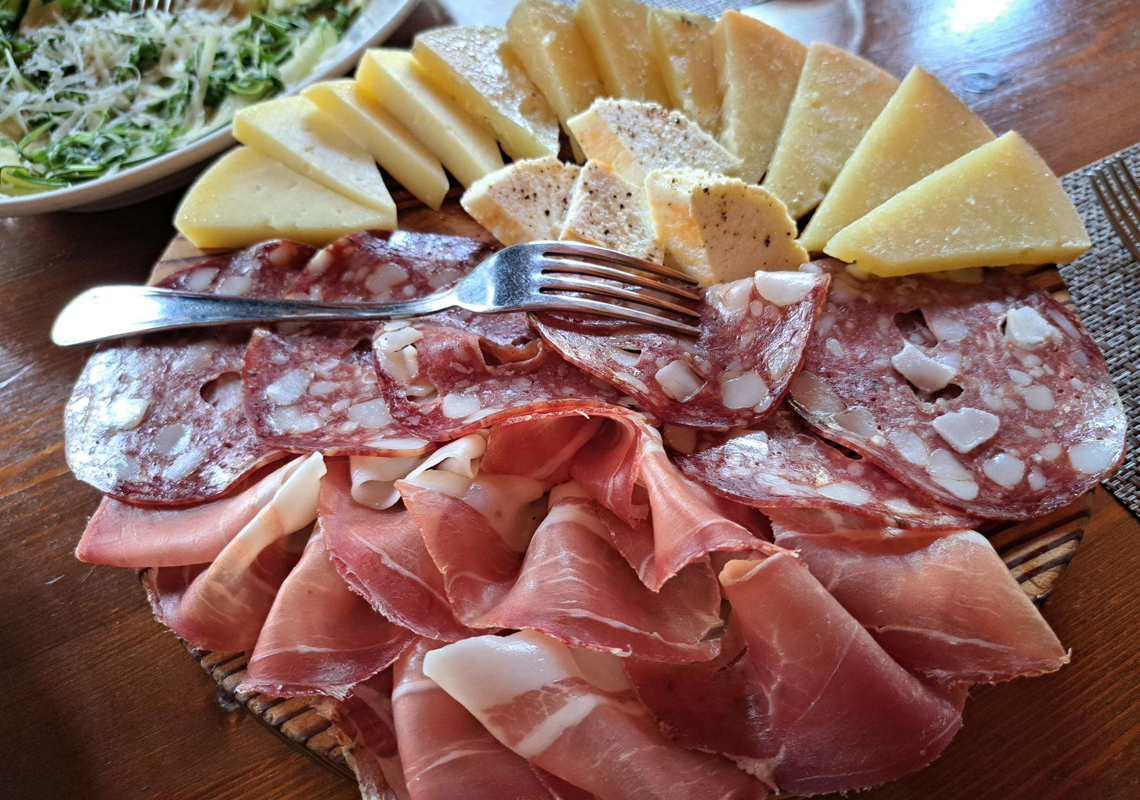
Tuscany’s Pride: Spotlight on Regional Agri-Products
Tuscany isn’t just about rolling hills and Ren...
July 18, 2025