
Heritage on the Plate: Rediscovering Tuscany’s Forgotten Vegetables and Legumes
Tuscany’s rich agricultural heritage extends beyond its famous olive oils and wines; it includes regionally unique vegetables and legumes, some of which have nearly vanished from modern farming. Rediscovering the heritage vegetables of Tuscany is not only a celebration of taste but also an important step toward preserving biodiversity and cultural identity. Here are some examples:
Fagiolo di Sorana IGP: A Hidden Treasure
One of the most celebrated Tuscan heirloom bean varieties, the Fagiolo di Sorana IGP grows in a minuscule microclimate along the Pescia River near Sorana (Pistoia), on just 660 hectares of sandy, alluvial soil. Known for its thin skin, delicate flavor, and creamy texture, this bean comes in two forms—white “piattellino” and red “antico rosso”.
The bean’s production had nearly vanished by the 1980s, yet its revival, led by a local growers’ association, helped revitalize the region’s agriculture and keep this crop alive. Today, the Sorana bean is recognized as a PGI (or IGP, in Italian) food.
In the culinary world, fagiolo di Sorana IGP adds richness to soups and pasta, and is a staple of the Pistoia hills. Want to learn more? Check out our monthly calendar of activities to see if there are any upcoming events dedicated to this tasty bean!
Zolfino Bean: A Slow-Food Revival
Less known outside Tuscany, the Zolfino bean, is another endangered Italian crop once on the brink of extinction. Grown on terraced hillsides in the Pratomagno region, this bean is known for its pale-yellow hue and melt-in-your-mouth texture. Today it is considered a Slow-Food product, and a regional delicacy that’s the star of soups and stews.
If you’d like to try and cook with this delicious bean, join our autumn flavors cooking class, in Lucca, dedicated to the unique legumes of Tuscany!

Pomodoro Pisanello: Packs a Surprising Punch!
The Pomodoro Pisanello, a ribbed, flattened tomato indigenous to Pisa and Livorno, is prized for its firm pulp, bright sweetness, and balanced acidity. Often referred to as a milder cousin of the Costoluto Fiorentino, its size and aromatic profile make it perfect for bruschetta, salads, and fresh sauces. Today, the Pisanello is protected through Tuscany’s Coltivatori Custodi (Custodian farmer) program, which champions heritage vegetables and encourages farmers to preserve biodiverse plants.
On July 26, we dedicated an entire dinner to this delicious product, at Fattoria Le Prate in Pisa. Check our instagram account to see pics from the night, and our calendar to look for similar upcoming events!
Aglione della Valdichiana: The Gentle Giant of Garlic
Native to the Valdichiana region, the Aglione della Valdichiana (Allium ampeloprasum var. Holmense) is related to the common garlic (as well as to leeks), though clearly quite different from both. It’s mostly famous for its huge bulbs, ranging from 200 to over 600g!
Thanks to a resurgence in the 1990s and a protected production standard (applied since 2017), this gentle-flavored heirloom is now celebrated in regional dishes like pici all’aglione (a must eat if visiting Siena). Its mild aroma and size make it a perfect example of how ancient vegetable varieties in Italy can find a modern culinary role, enhancing tradition while nurturing biodiversity.
Cipolla di Certaldo: The Sweet Onion of Medieval Tuscany
The Cipolla di Certaldo, cultivated in the hills around Certaldo since the 12th century (even featured in the town’s medieval coat of arms), is a cherished Slow Food product and is available in two forms—summer-harvested “statina” and autumn “vernina”. The Certaldo onion is noted for its subtle sweetness and savory depth, as well as for its mild violet-red hue.
These are just a few examples out of many.
Why These Heritage Vegetables Matter
- They are quintessential ancient vegetable varieties of Italy, rooted in local soil and climate.
- Producing heirloom agri-products supports small-scale, seasonal agriculture, helping to preserve heritage food in Italy.
- They play a crucial role in biodiversity in Tuscan agriculture, safeguarding genetic varieties and cultural narratives.
- By cooking and tasting with them, home cooks and chefs reconnect with ancestral recipes and authentic regional flavors.
How You Can Celebrate Heritage Legumes and Vegetables Today
- 1. Cook authentic recipes: savor the region’s unique products by incorporating them in a variety of recipes – traditional and modern. You’ll be surprised how flavorful they can be!
- 2. Support local producers: seek out certified beans in farmers’ markets or specialty shops.
- 3. Join agritourism experiences: participate in workshops that highlight these rare crops and talk directly with farmers – check our calendar to see what we have planned.
- 4. Raise awareness: share the stories of these legumes and vegetables—and encourage others to appreciate and protect them.

In summary, Tuscany’s forgotten vegetables and legumes offer more than flavor; they embody centuries of tradition, craftsmanship, and agricultural diversity. Including them in your kitchen isn’t just a culinary choice—it’s an act of cultural preservation.


Recent Posts
-

Perché scegliere i piccoli produttori?
Raffaella De Angelis Sostenere una piccola cantina t...
September 09, 2025 -
La Toscana dei vitigni autoctoni: un patrimonio da scoprire
By: Raffaella De Angelis Esiste un modo più profond...
September 08, 2025 -
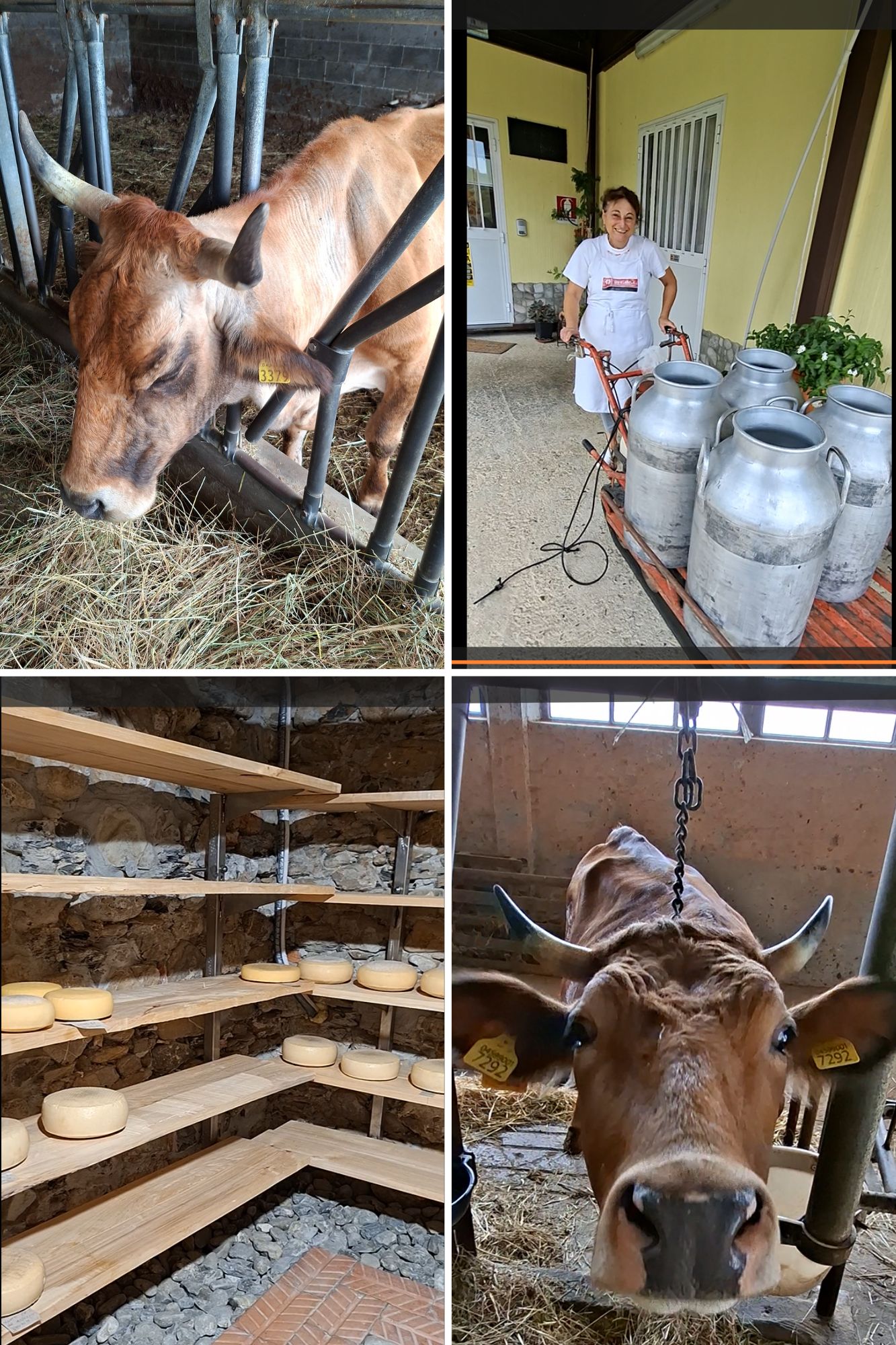
Have You Ever Heard About the Pontremolese Cow?
Meet the Pontremolese Cow, An Ancient Breed From Nor...
September 08, 2025 -
Tuscany’s Pride: Spotlight on Regional Agri-Products
Tuscany isn’t just about rolling hills and Ren...
July 18, 2025